
How to build a community around your events (and get sponsors to pay for it)
Start with free events to build an audience, then raise prices slowly. Once ticketing data shows who comes, send brands a simple sponsor package with attendance and audience profile. Expect in-kind product first; those logos become leverage for paid deals. Post real photos, keep a direct channel with your people, and work with venues that want you back.
the rooms still open this december.
Every Monday until the holidays: private rooms and buyouts at SF bars and restaurants that are still free on Friday and Saturday nights. Tap one and Nora texts you the price.
you're on the list.
tell noraHinge, Red Bull, Liquid Death and a few other brands have sponsored my events.
Here's what most people get backwards: the sponsors come after the crowd, not before it.
Our team has thrown events for more than 10,000 people, from daytime coffee and DJ parties to festival sponsorships, and we've worked with 1,000+ event organizers, from run clubs to supper clubs to people throwing coffee raves in a parking lot. The ones who end up with a loyal crowd and brands paying them tend to follow the same path. Here it is, in order.
The community-building playbook, step by step
- Start free to build an audience, then slowly start charging.
- Use your ticketing data to pitch sponsors with a simple package.
- Treat social media as your front door for attendees and brands.
- Take in-kind first (product, drinks, coffee) and use those logos as leverage.
- Put every logo in your deck for credibility with brands and venues.
- Post real content and keep a direct line to your people.
- Work with great venues and make it easy for them to want you back.
Should your first community events be free?
Yes. Early on your only job is getting bodies in the room and giving them a reason to come back. A free RSVP removes the last excuse. Nobody is weighing $25 against their Saturday morning when it costs nothing to show up.
Then start charging, slowly. A small fee, even a few dollars, actually helps: it cuts no-shows and tells people this is a thing worth showing up for. Raise it in steps and tie each bump to something people can feel, like a better venue, a real DJ, or coffee that isn't from a gas station. Give your regulars an early-bird tier or a members price so the people who built the night never feel priced out of it.
Consistency matters more than price. Same day, same rough time, every week or every month. "First Saturday morning" is something people can plan around. A random date announced nine days out is not.
How do you get sponsors for a community event?
Once you're selling tickets, you have something brands actually want: data about who shows up. Pull it from your ticketing platform and build a one-page sponsor package. Keep it simple:
- Who comes. Age range, neighborhoods, what they do, what they're into. This is the audience profile, and it's the first thing a brand looks for.
- How many. Average attendance per event, how often you run, and how many people are on your list or following you.
- What the brand gets. Logo on the poster and ticket page, a table or sampling moment at the event, a shoutout in your posts, a mention in the email.
- What it costs. One or two tiers. Don't build a twelve-option menu for a brand that hasn't said yes to coffee.
- Photos. Two or three real shots from past events. Brands buy the vibe as much as the numbers.
Then send it out. To a lot of brands. Local roasters, beverage startups, wellness apps, the canned cocktail company whose rep you met at someone else's party. See if anyone will pay you anything. Most won't at first, and that's fine.
Which platform you sell tickets on matters less than people think, as long as you can export who came. We break that down in Partiful vs Luma (and the rest).
Why is social media so important for an event community?
Your social presence is how strangers find you and how brands decide you're real. A new attendee sees a friend tagged at your event, taps through, and decides in about ten seconds whether it looks like their crowd. A brand manager does the same thing before answering your email.
Post consistently and make the account look like the community, not like an ad for it. When brands start sliding into your DMs instead of the other way around, you'll know it's working.
How do in-kind sponsorships lead to paid ones?
Most first sponsorships aren't cash. They're product: a case of cold brew, a pallet of sparkling water, pastries from the bakery down the block. Take it. Ask for it, even. A short, specific email works best: here's the event, here's the crowd, here's how many people will taste your thing, here's how we'll post about it.
The logo is the real payment. Once a few recognizable brands are on your poster, better brands start reaching out on their own. And when you go back to ask for actual money, you're not a stranger asking for a favor. You're a community with a track record of brands who showed up.
What should go in your community's deck?
Every logo you've worked with, in-kind or paid. It's the fastest credibility signal you have. A brand sees five peers on the slide and stops wondering if you're legit.
It works on venues too. A great bar or restaurant that would ignore a cold email from "a guy with a meetup" will take a second look at a deck with past sponsors, real photos and a steady attendance number. We've seen that slide open doors to rooms organizers couldn't get into the year before.
What kind of content keeps a community coming back?
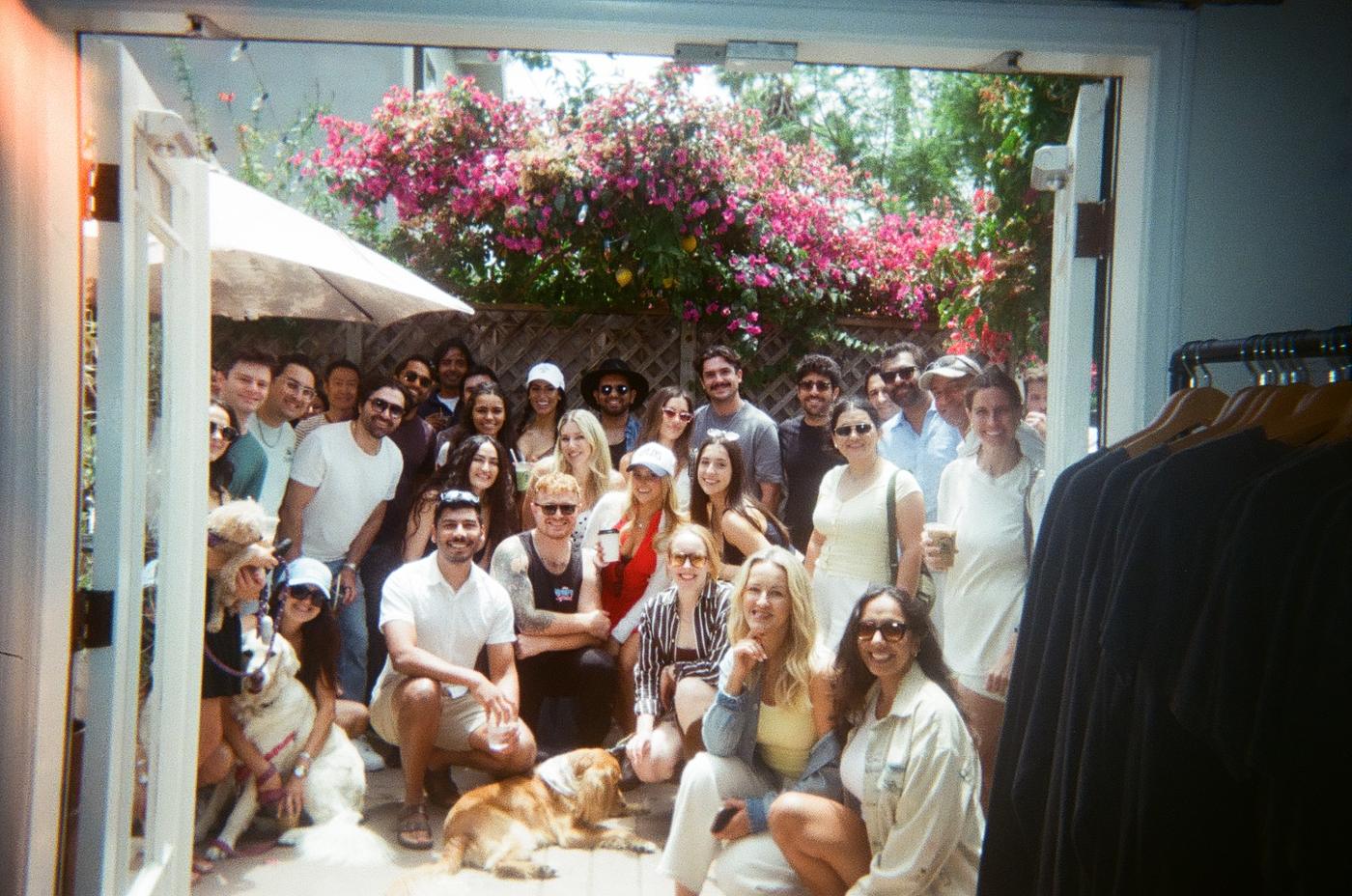
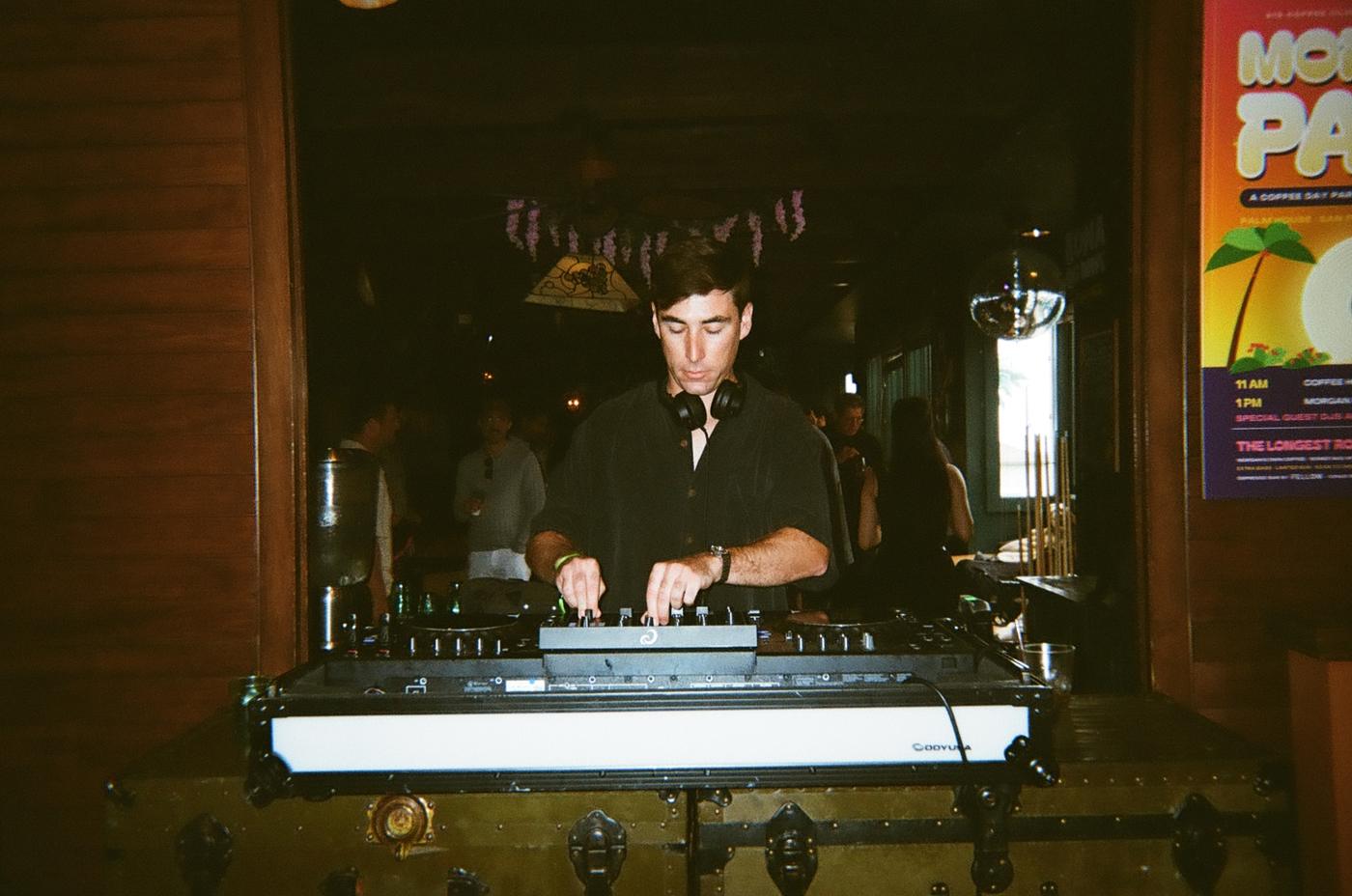
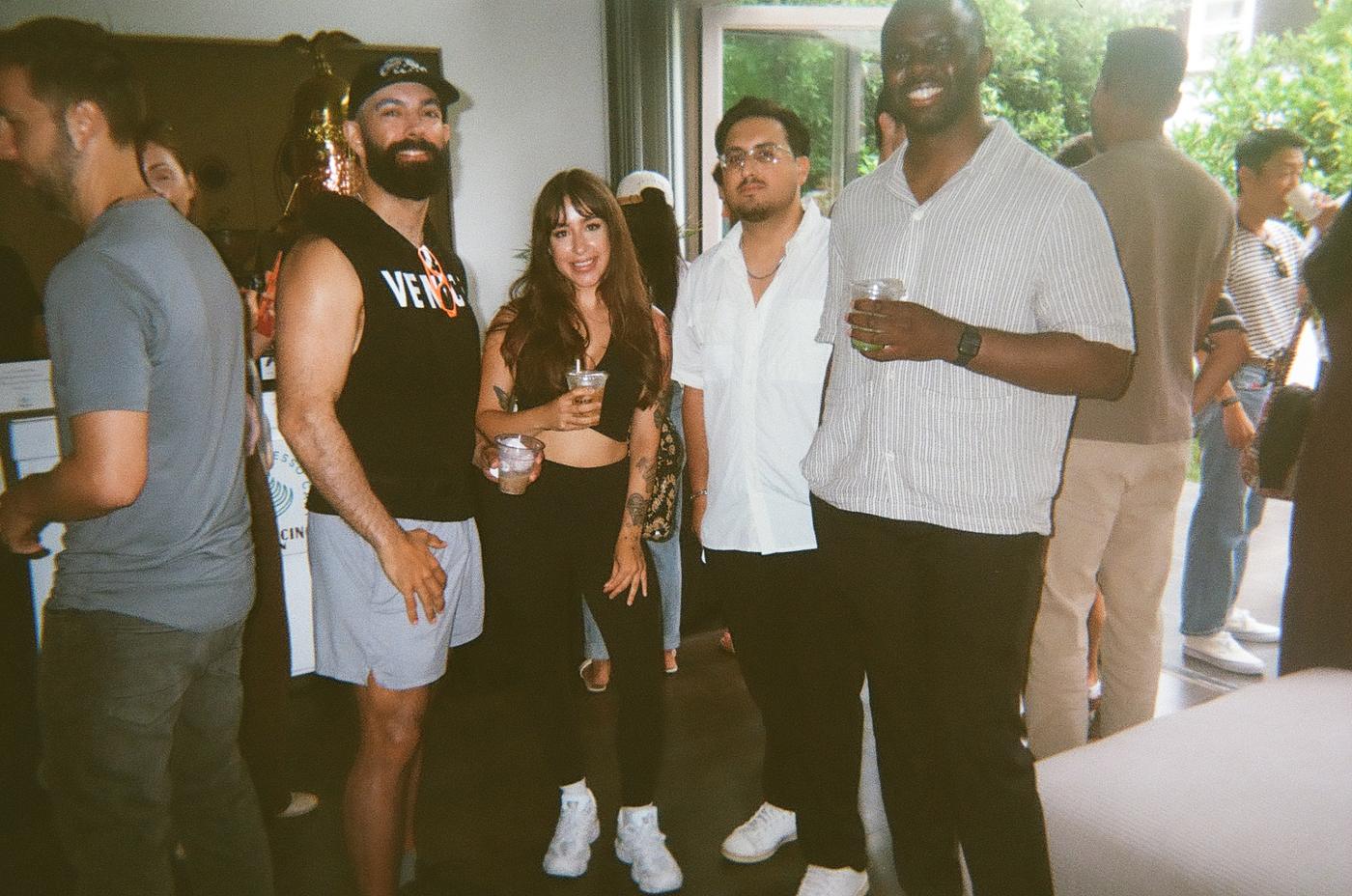
Real photos of real moments. People laughing, the line out the door, the DJ mid-drop, the dog someone brought. Not AI slop, not stock shots, not a graphic that says "VIBES" in four fonts. A disposable camera passed around the room does more for you than an hour in Canva.
Pair that with a direct channel you control: a group chat, a community app, or an email list. Social algorithms change their minds constantly. A list of people who asked to hear from you doesn't. It's where you announce dates first, sell out the early tier, and keep things going between events.
How do you find a venue for a recurring community event?
This is the most important step, and the one that sinks the most communities. You need high-quality places, and you need to be easy to host. Show up when you said, bring the headcount you promised, hit the minimum, leave the room the way you found it. A recurring series lives or dies on a venue that wants you back.
San Francisco has plenty of spots that are quiet on a Saturday morning or a Tuesday night and would love a crowd, from cafes in the Mission to bars in Dogpatch to big rooms in SoMa that sit empty before dinner. Daytime events and run club meetups are an easy pitch for exactly that reason. The trick is finding them, and that's where most organizers lose weeks.
Event inquiries usually land in a shared inbox or a web form that one person checks between services. Vague asks sit at the bottom of the pile. Email ten places and you get ten formats, minimums buried in PDFs, three replies and a week of chasing. Then the surprises: a cleaning fee on the final invoice, a minimum that grew because a Saturday "counts differently," a room that got double-booked.
That's what we built Conjunction to fix. You tell Nora, our party planner, your date, headcount, budget and vibe by chat or text. Venues that fit say yes before you ever see them, and their food-and-beverage minimums come up front, so you can compare side by side and know the number before you commit. You get a text when options are ready, and we intro you to the venue to lock it in. No last-minute charges, no mystery fees.
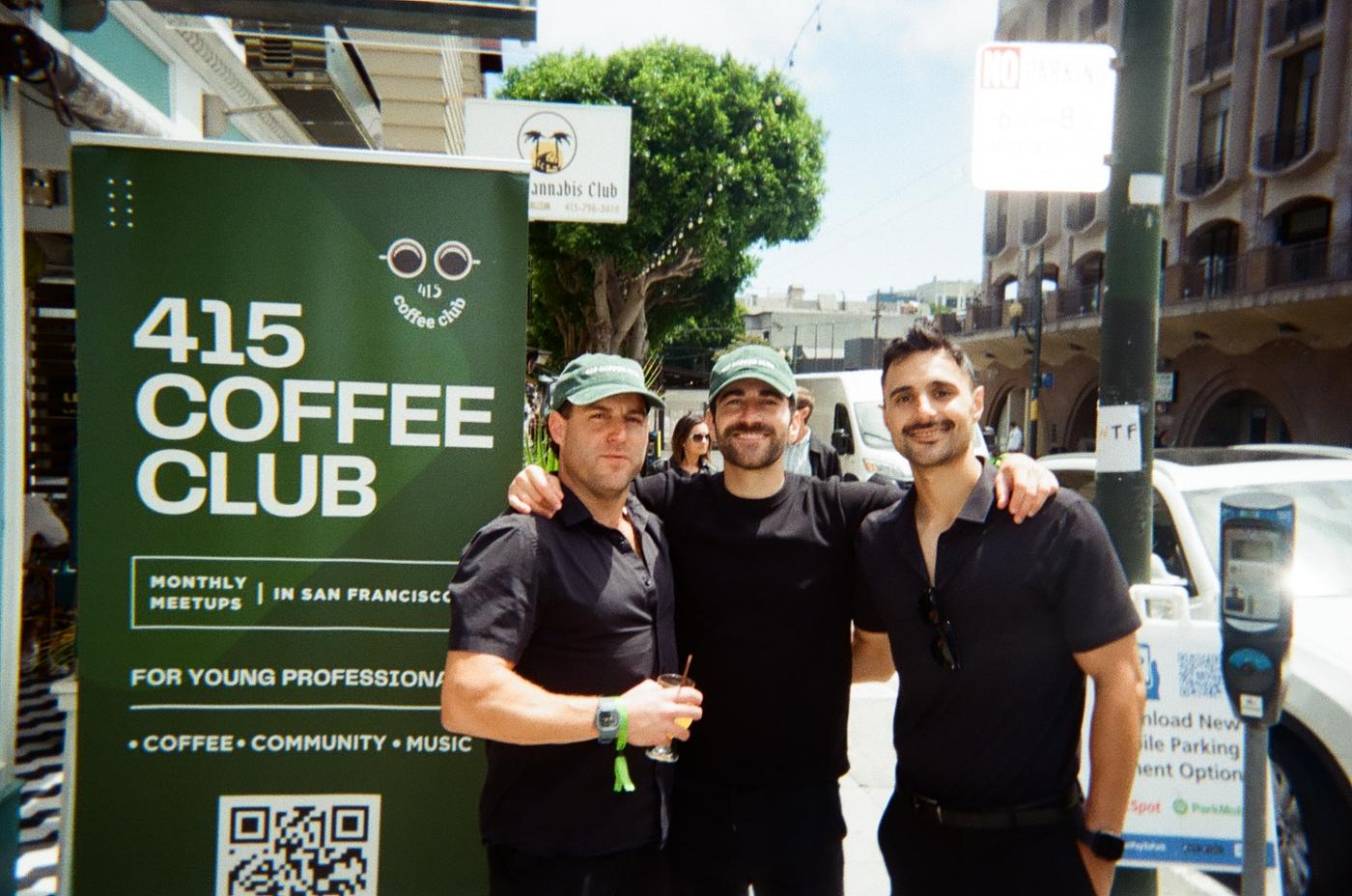
A few recent ones: 415 Coffee Club at Equal Parts for 350 people, booked in under a week; 450 people for Dil Se Rave at Audio SF; a grassroots rave where Buzzworks called the organizer back within minutes and locked the date that week; and a 250-person after-party at The Midway that we pulled together in a few hours. Communities like these are exactly who we built this for.
What I'd do: start free, raise prices slowly once you can see who keeps coming, take the in-kind deals first and use those logos to land the paid ones, and book venues that want you back.
For the cost side, see what a private event space costs in SF.
Conjunction matches community events and recurring series with SF restaurants and bars that want them, priced on a food-and-beverage minimum with no room rental fee and the minimum shown up front.
get rooms that fit. free.Frequently asked questions
Should community events be free at the start?
Usually, yes. Free events remove the last excuse not to show up, and early on you need an audience more than revenue. Once people keep coming back, start charging a small amount and raise it slowly, giving regulars an early-bird or members price.
How do you get your first sponsor for a community event?
Pull attendance and audience data from your ticketing platform and put it on a one-page package: who comes, how many, what the brand gets and what it costs. Send it to a lot of local brands. Expect in-kind product before cash, and take it.
What should an event sponsorship package include?
Your audience profile, average attendance and how often you run, the size of your list and following, what the brand gets (logo placement, sampling, posts, email mentions), one or two price tiers, and a few real photos from past events.
What is an in-kind sponsorship?
It's when a brand gives you product or services instead of cash, like drinks, coffee or snacks for your event. In return they get exposure to your crowd. Those logos build credibility and make it easier to ask for paid sponsorships later.
Does your ticketing platform matter for building a community?
Less than people think. In our experience discovery from the platform itself is usually a small share of sales unless the event is free. What matters is that you can see and export who came, because that data is what you show sponsors.
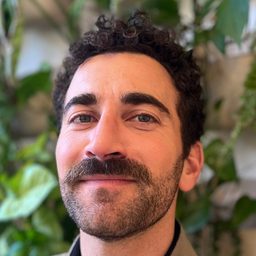
Simon Reznichky, co-founder. Started 415 Coffee Club and has thrown events for 10,000+ people in SF.