
Private dining room, semi-private or full buyout: which do you need in San Francisco?
A private dining room is your own room with a door inside an open restaurant, best for seated groups of roughly 10 to 40. A semi-private area is a sectioned-off part of the floor, good for 15 to 60 people mingling. A full buyout is the whole venue, usually 50 to 150 or more. Minimums climb in that order.
the rooms still open this december.
Every Monday until the holidays: private rooms and buyouts at SF bars and restaurants that are still free on Friday and Saturday nights. Tap one and Nora texts you the price.
you're on the list.
tell noraSome of the groups we've booked have come in under their minimum. Normally the organizer pays the difference. A few times, because the crowd was great and the venue could see more nights coming, we got the venue to waive it to build a longer relationship.
That only happens when the room fit the night. My take: the kind of space decides more about your night than the restaurant does.
Every restaurant website in San Francisco has a page that says "private dining." Click it and you get a nice photo, a contact form and almost nothing about what you'd actually get. A room? A roped-off corner? The whole place? The answer decides how loud your night is, whether the toast lands, and what the minimum looks like.
Here's how the three main options break down, from someone who has booked all of them and regretted picking the wrong one at least once.
What is a private dining room?
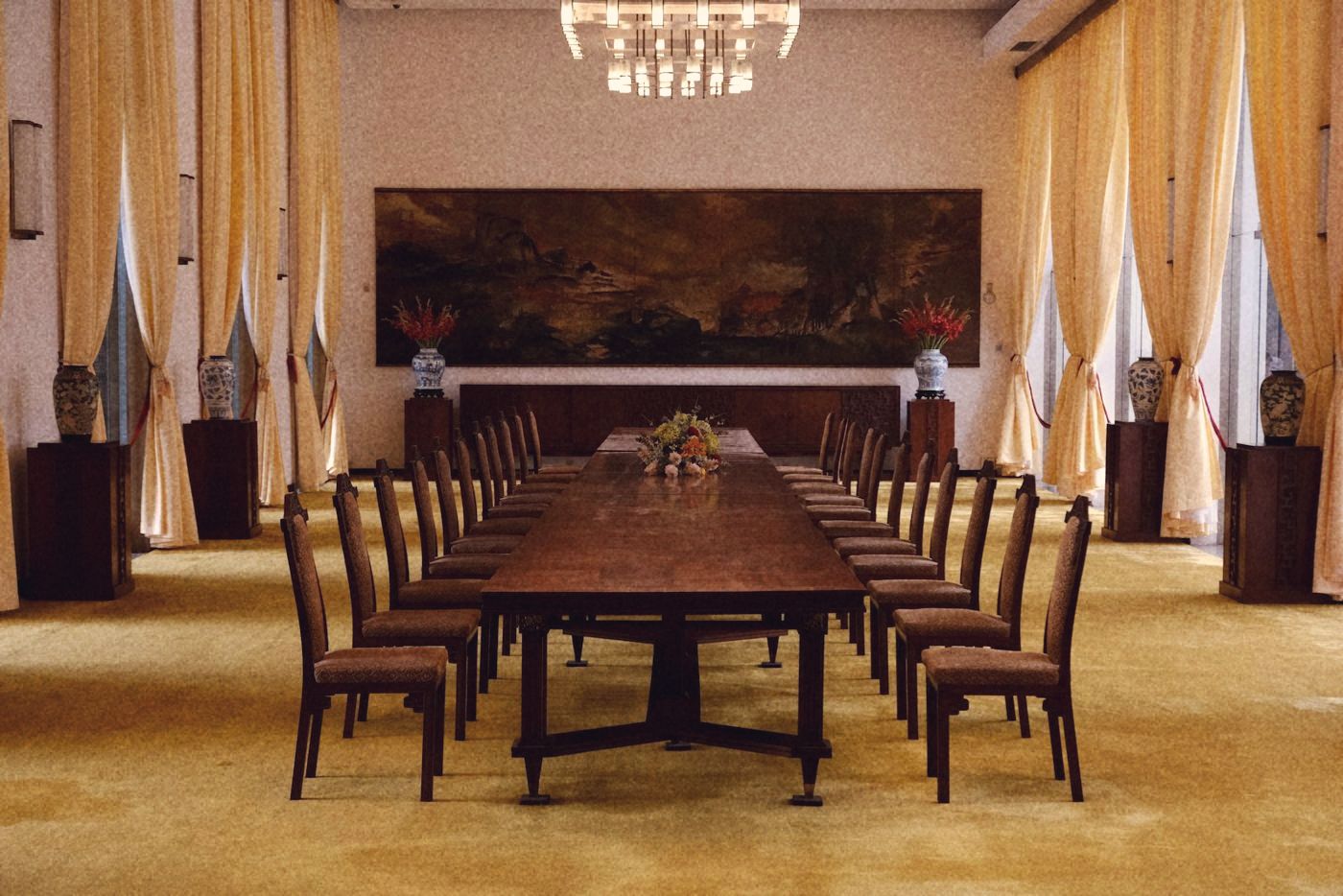
A private dining room is a separate room, with walls and a door, inside a restaurant that's open to the public that night. The rest of the dining room carries on as usual. You get your own space, usually your own server or two, and a menu planned ahead.
Private rooms often seat somewhere around 10 to 40 people, though that varies a lot. Some SF spots have a single cozy room off the kitchen for 12. Others have a wine cellar, a mezzanine room, or a back room that can take a long table for 40.
This is the right call when the event is mostly seated and mostly talking: a birthday dinner, a client dinner, a rehearsal dinner, a team offsite meal. The door is the whole point. You can give a speech without competing with a two-top's anniversary, and nobody wanders in looking for the restroom.
What does semi-private mean at a restaurant or bar?
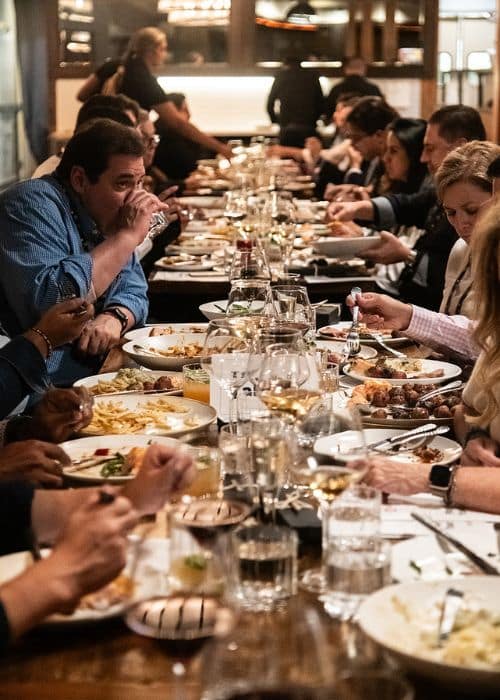
Semi-private is a defined area that's yours but isn't fully closed off. Think a section divided by a curtain, a mezzanine overlooking the main room, a back patio, a lounge corner, or one end of the bar. Other guests are nearby. You can usually hear them, and they can definitely hear you.
That's not a knock. For a happy hour or a casual mixer, the buzz of a full bar is part of the fun, and a semi-private area often works for 15 to 60 people standing. It's also where the friendliest minimums live, especially early in the week.
Where it gets dicey is anything that needs everyone's attention. A toast in a semi-private area on a Friday in the Marina is a toast that six people hear. If you're planning a team happy hour for 20 to 60 people, semi-private is often the sweet spot. If there's a slide deck involved, keep reading.

What is a full restaurant buyout?
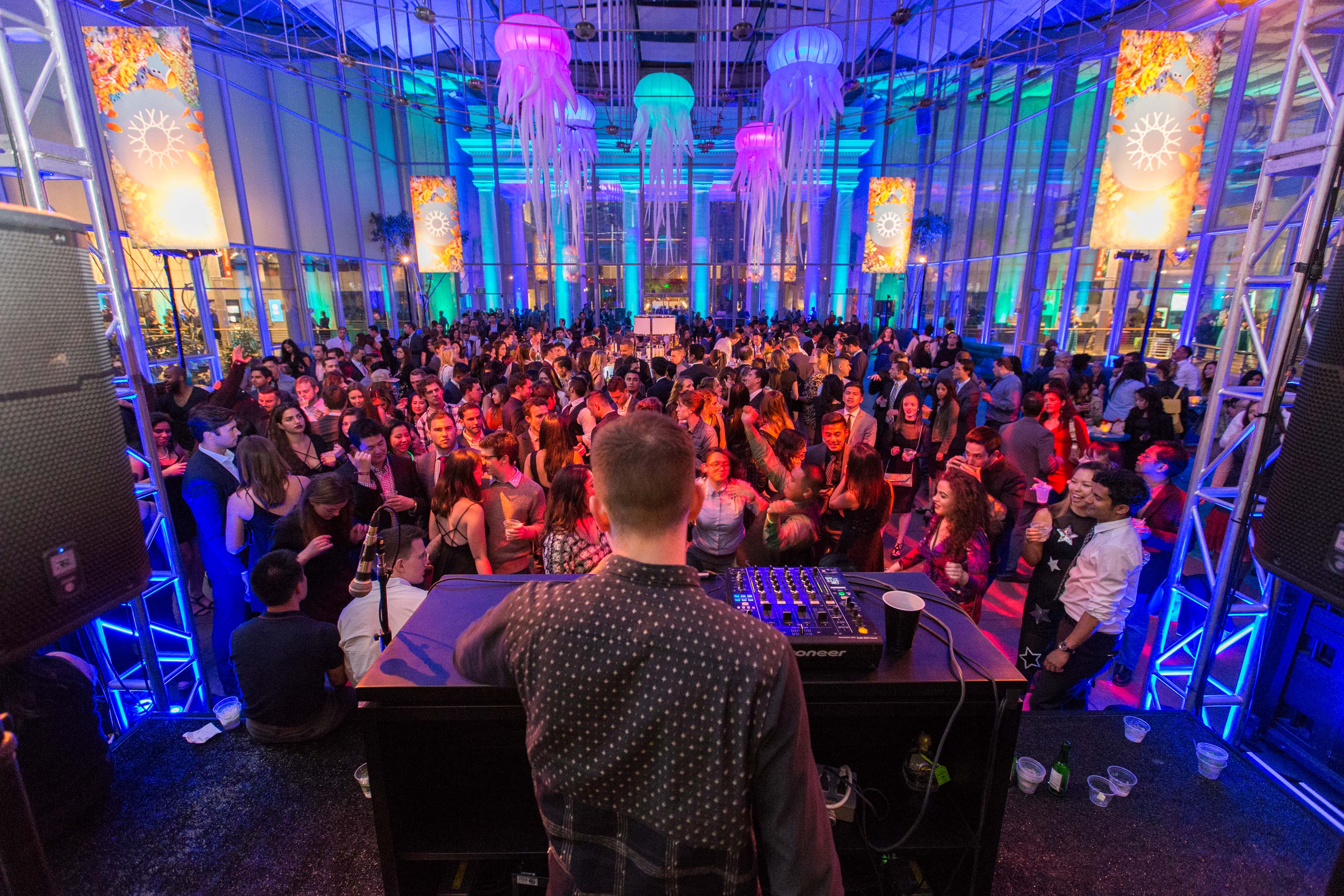
A buyout means you take the entire venue. No other guests, no walk-ins, no host stand turning people away awkwardly in front of your party. The space, the music, the lighting and usually the timing are yours.
Buyouts are typically for groups of around 50 to 150 or more, but the range is huge. A small wine bar in Hayes Valley might be "full" at 40. A big SoMa space can take a few hundred standing. Company parties, launch nights, wedding afterparties and anything with a DJ tend to land here.
You also get control nobody else can offer: your own playlist, a custom bar menu, a step-and-repeat by the door if you're that kind of company. And a buyout is the only option where you can rearrange the furniture without negotiating with another table.
Private room vs semi-private vs buyout: a quick comparison
| Private room | Semi-private | Full buyout | |
|---|---|---|---|
| Rough size | About 10 to 40 seated | About 15 to 60 standing | About 50 to 150+ |
| Privacy | Door closes | Shared air and sound | Total |
| Toasts and AV | Good, ask about a screen | Hard | Easiest |
| Best for | Seated dinners | Happy hours, mixers | Parties, launches, big crowds |
| Minimum | Middle | Lowest | Highest |
Every number there is a rule of thumb. Venues in this city range from shoebox to warehouse, so always check the specific space.
Standing vs seated capacity: why the numbers don't match
A space that seats 30 might hold 60 standing. Going the other way is harder: when we booked NVIDIA a seated event for 80 at Meso, the list of rooms that could actually seat 80 was a lot shorter than the list that could hold 80 standing. That gap trips people up constantly. A venue's website lists the bigger number, you book for 50 thinking you'll sit down to dinner, and then you find out the 50 assumed cocktail tables and passed bites.
So when you ask about capacity, ask about the format you actually want. Before you commit, run through this:
- Seated or standing? Get both numbers, and ask what layout the seated number assumes (one long table, rounds, a U shape).
- Does a speech need to land? If yes, rule out most semi-private areas.
- Is there a screen or a mic? Some private rooms have a TV you can plug a laptop into. Many don't. Ask, don't assume.
- How loud is the room on your night? A mezzanine on a Tuesday is a different place than the same mezzanine on a Saturday.
- What does the minimum include? Tax and service charge (commonly around 20 to 25%, plus tax) can swing the real total a lot.
How much more does a buyout cost than a private room?
Most SF restaurants and bars don't charge a room fee. They price on a food-and-beverage minimum: an amount your group agrees to spend, and the space comes with it. That minimum generally climbs as you go from semi-private to private room to buyout. A weeknight semi-private area can start in the low hundreds. A weekend buyout can run several thousand or more. Our full breakdown of what a private event space costs in San Francisco has the ranges.
Here's the part people miss: a buyout is sometimes cheaper than you'd think. A small restaurant that's half empty on a Tuesday would much rather sell you the whole room than hope for walk-ins. Same goes for daytime buyouts. Plenty of bars and restaurants that don't open until 5 will happily host a lunch, an offsite or a weekend afternoon party, since the space would otherwise sit dark. If your group is 40 and flexible on timing, ask about a buyout before you assume a private room is the budget option.
The opposite holds too. Saturdays in December and anything downtown during Dreamforce or a big Moscone week get pricey and scarce fast. If that's your date, check how far ahead to book and get moving.
Why it's hard to figure out room types by calling around
The honest problem with booking direct isn't that restaurants are unhelpful. It's that "private dining" on a website could mean any of the three things above, and you usually don't find out which until somebody writes back. That inquiry often lands in a shared inbox or a voicemail checked between services by the one person who handles events. Send ten of those and you get ten formats, minimums tucked in PDFs, and three replies a week later.
What I'd do: pick the room type before you pick the restaurant. Seated and roughly 10 to 40, a private dining room. Mingling, 15 to 60, a semi-private area. 50 to 150 or more, a full buyout, and price a weeknight before a Saturday.
Then tell Nora, our party planner, your date, headcount, budget and vibe by chat or text, which takes about a minute. Venues that fit say yes before you see them, each option shows the space type and the minimum up front, so you can put a private room next to a weeknight buyout, and you get a text when options are ready. We introduce you to the venue to lock it in.
Tell Nora your date, headcount and vibe. Conjunction shows you SF private rooms, semi-private spaces and full buyouts that want your event, priced on a food-and-beverage minimum with no room rental fee.
get rooms that fit. free.Frequently asked questions
What is the difference between a private dining room and a buyout?
A private dining room is a separate room with a door inside a restaurant that stays open to the public. A buyout means you take the entire venue and no other guests come in. Buyouts give you full control of the space, music and timing, and they carry the highest minimums.
How many people fit in a private dining room in San Francisco?
Many SF private rooms seat somewhere around 10 to 40 people, though it varies a lot by venue. Standing capacity is usually higher than seated. Always ask for both numbers, and ask what layout the seated count assumes.
Is a semi-private area loud?
It can be. A semi-private section shares air, sound and often music with the rest of the restaurant or bar. That's great for a mingling happy hour and harder for speeches or a presentation, so ask how the space sounds on the night of the week you're booking.
Is a full restaurant buyout always the most expensive option?
It usually has the highest minimum, but not always by as much as people expect. A weeknight or daytime buyout at a smaller venue can land closer to a weekend private room than you'd think, because the venue would otherwise be quiet. It's worth asking.
Do private dining rooms charge a room fee?
Most SF restaurants and bars use a food-and-beverage minimum instead of a room fee. Your group agrees to spend a set amount on food and drinks, and the space comes with it. Ask whether the minimum includes tax and service charge.

Simon Reznichky, co-founder. Started 415 Coffee Club and has thrown events for 10,000+ people in SF.